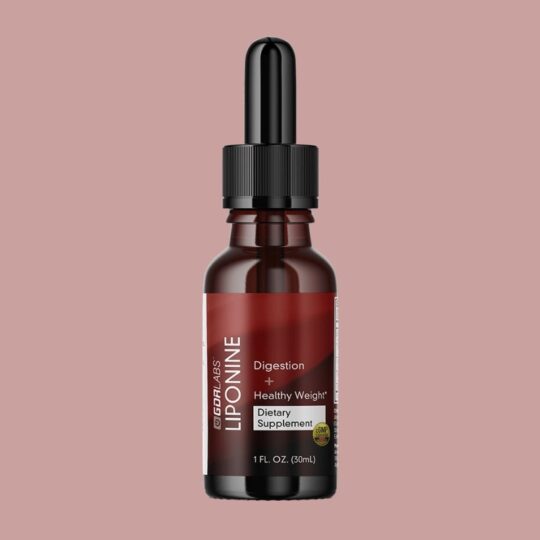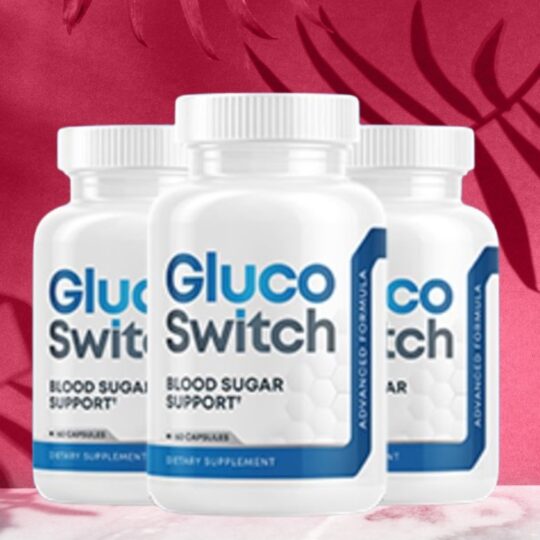
GLPro The Glucose Reset Ritual is a daily wellness supplement designed to support healthy blood sugar balance as part of an active, mindful lifestyle. Formulated with a blend of plant-based ingredients, antioxidants, and targeted probiotics, GLPro focuses on supporting metabolic health, steady energy, and reduced cravings throughout the day. It’s easy to incorporate into your routine and pairs seamlessly with movement, balanced meals, and healthy habits. Ideal for adults looking to proactively support glucose metabolism and overall wellness, GLPro offers a simple, consistent approach to feeling more in control—without extreme diets or complicated protocols.
Description
Medical disclaimer: This article is for educational purposes only and is not medical advice. Dietary supplements are not intended to diagnose, treat, cure, or prevent any disease. If you have diabetes, prediabetes, take glucose-lowering medication, are pregnant/nursing, or have a medical condition, talk to a licensed clinician before making changes to diet, exercise, or supplements.
Urgent safety note: If you have symptoms of dangerously high or low blood sugar (confusion, fainting, severe weakness, chest pain, severe shortness of breath, seizures), seek urgent care immediately.
Why “Glucose Reset Ritual” is trending (and why we need to be careful)
Search phrases like “glucose ritual,” “glucose reset ritual,” and “10-minute blood sugar trick” are exploding on social platforms and YouTube. Many of these videos use punchy promises like “reduce blood sugar levels” and “say goodbye to high blood sugar.” The problem: that phrasing is not compliant for health marketing, and it’s also not realistic as a universal claim.
Blood sugar (glucose) is dynamic. It rises and falls throughout the day based on:
- What you eat (carb type, fiber, fat, protein)
- Timing and portion size
- Sleep and stress
- Hydration
- Muscle activity (movement)
- Medications and underlying medical conditions
So the best way to frame a “glucose reset ritual” s not a magic trick. It’s a repeatable 10-minute routine that helps support healthier post-meal glucose patterns—something that aligns with mainstream guidance emphasizing physical activity as part of glucose management.
This article does two things:
- Defines a compliant, evidence-based “reset ritual” (movement + meal structure + consistency).
- Explains GLPro (what its website says it contains/claims), with a strict “support-only” posture and clear limitations.
The plain-English goal: “flatten the spike,” don’t chase a miracle
A more compliant and scientifically grounded goal than “lower blood sugar fast” is:
Support smoother post-meal glucose patterns over time, by improving:
- Insulin sensitivity (how well your cells respond to insulin)
- Glucose disposal (how efficiently muscles use glucose during/after movement)
- Meal composition (fiber + protein + minimally processed carbs)
- Daily consistency (small habits > heroic willpower)
The CDC and ADA both describe physical activity as central to diabetes management and improved blood glucose control.
Part 1 — What a “Glucose Reset Ritual” should mean (in compliant, real-world terms)
The 10-minute “reset” that’s actually defensible: post-meal movement
If you had to pick one behavior that consistently shows up in credible guidance for better glucose control, it’s: move your body regularly, especially if you’re sedentary.
ADA notes that being active increases insulin sensitivity, helping insulin work more effectively to lower blood glucose.
CDC similarly emphasizes physical activity as foundational for managing blood sugar levels and reducing complications risk.
Why 10 minutes can matter (without making promises)
After a meal, glucose enters your bloodstream. When you contract muscles (walking, stairs, bodyweight moves), your muscles pull in glucose for fuel. This can help support a smaller post-meal rise for some people—without implying a cure or guaranteed result.
Compliant wording examples
- “May help support healthier post-meal glucose patterns.”
- “A practical habit many people use to support metabolic health.”
- “Reduces blood sugar levels in 10 minutes.”
- “Reverses diabetes.”
A simple post-meal walk protocol
- When: within ~30–60 minutes after eating (or whenever it’s realistic for your schedule)
- Duration: 10 minutes (even shorter bouts can be helpful as a starting point)
- Intensity: easy to moderate (you can talk, but you feel like you’re moving)
- Frequency: most days, especially after your largest carb meal
ADA recommends regular activity and offers weekly exercise targets; the broader point is consistency and accumulating movement.
If you can’t walk: 10-minute “indoor reset” options
Pick one:
- March in place + gentle arm swings
- Step-ups on a stable step
- Bodyweight circuit (slow squats to a chair, wall push-ups, calf raises)
- Light housework burst (tidy, vacuum, stairs)
Important: If you’re on medications that can cause hypoglycemia (low blood sugar) or you have complications, you should ask a clinician how to exercise safely. CDC and ADA both emphasize tailoring activity to the individual.
“Meal sequencing” (a compliant add-on that’s easy to follow)
A “ritual” becomes stickier when it has a sequence. A simple structure:
- Fiber first (non-starchy vegetables)
- Protein + healthy fats
- Carbs last (especially refined carbs)
This doesn’t “reset” anything magically—what it can do is slow digestion and support steadier glucose rise for many people.
Compliant phrasing:
- “May help reduce the rate of glucose absorption.”
- “Often used to support satiety and steadier energy.”
Sleep and stress: the unsexy levers that matter
You can do a perfect 10-minute walk, but if sleep is chronically poor and stress is constant, glucose patterns can still look rough.
NIDDK explains insulin resistance and rising glucose as part of the pathway to prediabetes and type 2 diabetes.
In practice, better sleep consistency, stress reduction, and regular movement work together.
Simple ritual upgrade (2 minutes)
- After your 10-minute walk: 6 slow breaths (inhale 4 seconds, exhale 6 seconds)
No claims needed—this is about building a repeatable habit loop.
Part 2 — What is GLPro, exactly?
What the GLPro website claims (and what we can safely say)
GLPro is presented as a dietary supplement intended to “support healthy, steady blood sugar levels,” reduce cravings, and support metabolic wellness, using a blend of herbs, minerals, probiotics, and fibers.
The GLPro page also contains important compliance language:
- It includes an FDA disclaimer that content is informational and not intended to diagnose/treat/cure/prevent disease.
- It references manufacturing in an FDA-registered, GMP-certified facility (note: facility registration ≠ FDA approval of the product).
- It includes an affiliate disclosure that merchant links may generate commissions.
Critical compliance note: “FDA Approved” wording
The site uses phrases like “FDA Approved Facility,” and later clarifies supplements aren’t “FDA-approved” like drugs.
Safer phrasing
- “Manufactured in an FDA-registered facility that follows GMP practices (per the brand).”
- “FDA-approved supplement.”
GLPro ingredients listed on the site (and the compliant interpretation)
The GLPro page highlights:
- Berberine HCL
- Alpha lipoic acid
- Cinnamon extract
- Resveratrol extract
- Probiotics including Bifidobacterium breve and Akkermansia muciniphila
What we can and can’t say (brutal honesty)
We can say:
- These ingredients are commonly discussed in nutrition/supplement contexts related to metabolic health.
- Some have research suggesting potential effects on markers associated with glucose metabolism—but effects vary, dosing matters, and results are not guaranteed.
- GLPro is positioned as “support,” not a replacement for medical care.
We cannot say (without specific substantiation and exact product dosing data):
- GLPro “reduces blood sugar” in a clinically meaningful way.
- GLPro “treats diabetes,” “reverses diabetes,” or “replaces medication.”
- Any comparative superiority claim (“better than metformin,” “works faster than X,” “clinically proven”) unless we have product-specific trials.
Also: the site mentions review averages and large review counts. Without an independently verifiable source, we should treat that as marketing, not evidence.
Who GLPro might be for (compliant positioning)
A safe, conservative way to position a glucose-support supplement is:
- Adults who want nutritional support for metabolic wellness as part of:
- balanced eating patterns
- regular physical activity
- clinician-guided care if they have diagnosed conditions
Not for:
- Anyone who is looking for a “quick fix” for diabetes
- Anyone who wants to replace prescribed medication
- Anyone who is pregnant/nursing or managing multiple conditions without clinician input
Part 3 — The GLPro “Glucose Reset Ritual” (a compliant routine you can actually publish)
Below is a ritual you can publish that:
- aligns with CDC/ADA lifestyle foundations
- avoids disease claims
- still feels actionable and “viral-friendly”
The 10-Minute Glucose Reset Ritual (Version 1: the post-meal reset)
Step 1 (0:00–0:30): Water + posture reset
- Drink a glass of water
- Stand tall, shoulders relaxed
Why it helps (compliant): supports hydration and transitions you into movement.
Step 2 (0:30–8:30): Walk (or march) at an easy pace
- Walk outside or indoors
- If indoors: march in place, step-ups, or a loop around your home
Why it helps (compliant): physical activity supports insulin sensitivity and glucose management as part of diabetes care foundations.
Step 3 (8:30–10:00): Lower-body finisher (optional)
Pick one:
- 10 chair squats (slow)
- 20 calf raises
- 30 seconds wall sit (skip if painful)
Why (compliant): muscle contraction supports glucose uptake demand.
Safety note: If you feel dizzy, unusually weak, or symptomatic, stop and consult a clinician—especially if you take glucose-lowering medications.
The 10-Minute Glucose Reset Ritual (Version 2: morning “metabolic setup”)
This version is safer than “30-second trick” claims and still feels ritualized.
- 2 minutes: light mobility (shoulder rolls, hip circles)
- 6 minutes: brisk walk or stairs
- 2 minutes: protein-forward breakfast planning (see below)
ADA emphasizes regular activity and that active cells become more sensitive to insulin.
Part 4 — Food framework: “stable energy plates” (instead of fear-based carb talk)
The “half-plate” rule
- ½ plate non-starchy vegetables
- ¼ plate protein
- ¼ plate carbs (prefer higher-fiber sources)
This keeps the article aligned with mainstream nutrition patterns without making therapeutic promises.
Carb quality hierarchy
Better default choices (for many people):
- legumes, beans, lentils
- minimally processed whole grains
- fruit paired with protein/fat
- potatoes/rice cooled and reheated (some people use this for texture and satiety—avoid claims)
Limit as defaults:
- sugar-sweetened beverages
- refined flour snacks
- ultra-processed sweets
Again: no “ban list,” no “cure list,” just defaults.
Part 5 — Where GLPro fits (and how to write it without getting slapped)
GLPro as a “support layer,” not the ritual itself
A compliant structure:
- Ritual = movement + food sequence + consistency
- Supplement = optional support, with clear cautions
Example compliant copy block (you can reuse)
GLPro is marketed as a plant-forward dietary supplement intended to support healthy blood sugar balance, cravings, and metabolic wellness, and it includes ingredients such as berberine, alpha lipoic acid, cinnamon extract, and resveratrol (per the brand). Dietary supplements are not a substitute for medical care, and results vary. If you have a diagnosed condition or take glucose-lowering medication, speak with a licensed clinician before adding a supplement.
Ingredient-by-ingredient: the honest, compliant overview
1) Berberine (as listed by GLPro)
Commonly used in supplement products positioned around metabolic wellness. It has research interest, but we should not imply it will lower glucose like medication without product-specific clinical proof.
GLPro lists “Berberine HCL” and frames it as supporting glucose metabolism.
Compliant phrasing: “studied for metabolic health markers” / “may support healthy glucose metabolism.”
2) Alpha lipoic acid
Often described as an antioxidant with metabolic research interest. Again, avoid outcome promises.
GLPro lists it and suggests support for insulin sensitivity and oxidative stress.
Compliant phrasing: “antioxidant support” / “may support cellular energy pathways.”
3) Cinnamon extract
Commonly used in “blood sugar support” supplement marketing. Keep wording conservative.
GLPro lists “Cinnamon Bark Extract.”
Compliant phrasing: “traditionally used” / “may support healthy glucose metabolism.”
4) Resveratrol
Frequently positioned around cardiovascular/cellular support.
GLPro lists “Resveratrol Extract.”
Compliant phrasing: “antioxidant support” / “supports overall wellness.”
5) Probiotics (including Akkermansia)
GLPro claims it includes probiotics like B. breve and Akkermansia muciniphila.
This is a high scrutiny area: strain viability, CFU count at expiration, and delivery matter. Without those details, keep it high-level:
- “supports gut microbiome” (general)
- “improves insulin resistance” (specific therapeutic outcome)
Part 6 — What to do if you actually want better glucose numbers (without illegal claims)
If you’re concerned about diabetes or prediabetes, don’t rely on a “ritual” alone
NIDDK explains insulin resistance can raise blood glucose and progress toward type 2 diabetes.
That’s why the most responsible guidance is:
- Get appropriate testing and clinician guidance
- Use lifestyle + any necessary medications
- Use supplements only as optional support
Core habits most clinicians agree on (and we can cite safely)
- Physical activity: foundation of diabetes management (CDC)
- Regular activity supports blood glucose control (ADA)
- Healthy living strategies help manage blood glucose (NIDDK)
Part 7 — The “GLPro Glucose Reset Ritual” schedule (30 days, realistic)
This is written to feel like a program while staying compliant.
Week 1: Consistency over intensity
Daily
- Do the 10-minute post-meal reset after your biggest meal
- Add 1 fiber-first starter (salad or vegetables)
Goal: build the habit loop.
Week 2: Add a second “reset” window
Daily
- 10-minute post-meal reset after two meals (when possible)
- Protein at breakfast (eggs, Greek yogurt, tofu scramble—choose preference)
Week 3: Strength support (2 days/week)
2x per week
- 15 minutes basic resistance (chair squats, wall push-ups, rows with a band)
Why: more muscle mass supports glucose handling capacity (general physiology), but avoid numeric promises.
Week 4: Simplify your “high-risk meal”
Pick the one meal that spikes you (often dinner):
- Keep carbs, but add fiber + protein and do the 10-minute walk
Optional: If using GLPro (per label directions), keep everything else constant so you can evaluate tolerance without confounding changes. (Do not promise results.)
Part 8 — Frequently asked questions
Is the “Glucose Reset Ritual” proven to reduce blood sugar in 10 minutes?
A short bout of movement after meals can support healthier post-meal glucose patterns for many people, but individual responses vary, and it is not a cure or a replacement for medical care. CDC and ADA emphasize physical activity as part of diabetes management and blood glucose control.
Can I do the ritual if I have diabetes?
Many people with diabetes use light-to-moderate activity as part of management, but you should talk to a clinician if you use medications that can cause hypoglycemia, or if you have complications that affect exercise safety.
What does GLPro claim it does?
The GLPro website markets it as a dietary supplement intended to support steady blood sugar levels, cravings, metabolism, and overall wellness, using ingredients like berberine, alpha lipoic acid, cinnamon extract, resveratrol, and certain probiotics.
Is GLPro FDA approved?
Dietary supplements are not “FDA-approved” like prescription drugs. The GLPro site describes manufacturing in an FDA-registered, GMP-certified facility and includes an FDA disclaimer.
If you publish this, avoid “FDA approved” language and stick to precise wording.
How long does it take to see changes?
The GLPro site states results vary and mentions some users notice changes within 1–2 weeks, while others need longer.