$59.49
Description
Chronic metabolic conditions—ranging from weight management challenges to insulin resistance—are increasingly understood as complex, multifactorial issues that rarely respond to single-solution interventions. Within integrative health frameworks, practitioners often explore combinations of lifestyle optimization, nutritional strategies, and carefully formulated supplements designed to support metabolic efficiency without replacing clinical care.
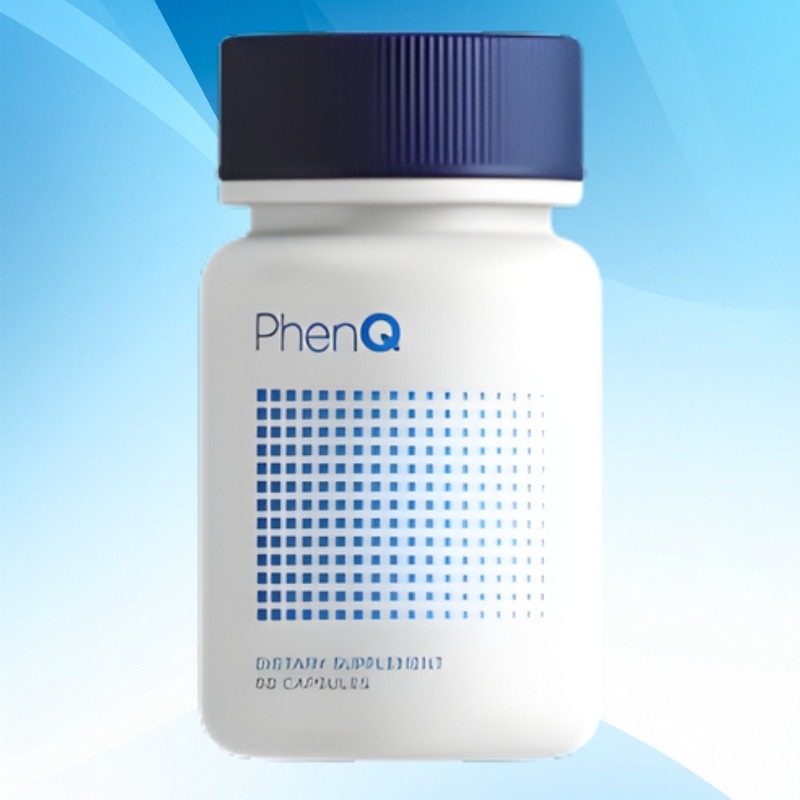
PhenQ is positioned within this category as a multi-pathway dietary supplement designed to support weight management efforts through a combination of thermogenic support, appetite regulation, and energy metabolism pathways. Rather than focusing on a single mechanism, it brings together several well-studied ingredients that may contribute to broader metabolic support when paired with proper nutrition and physical activity.
From a clinical perspective, it is essential to clarify that no over-the-counter supplement should be considered a standalone treatment for chronic disease. However, certain formulations—when properly designed—may complement structured programs by supporting adherence, energy levels, and dietary control.
This review takes a research-informed approach to PhenQ, analyzing its formulation, ingredient profile, and positioning within a broader integrative health strategy. The goal is not to present it as a cure or medical intervention, but rather to evaluate whether its design aligns with current scientific understanding of weight-related metabolic processes.
Product Overview
Formulation: Multi-ingredient metabolic support supplement
Key Ingredients: Capsimax powder, Chromium picolinate, Caffeine, Nopal cactus, L-Carnitine fumarate
Bottle Contents: 60 capsules per bottle
Guarantee: 60-day satisfaction guarantee (as stated by the brand)
Cost: Varies by bundle (see pricing section below)
What is PhenQ?
PhenQ is a dietary supplement developed to support weight management through a multi-mechanism formulation approach. Unlike single-ingredient products, it combines several compounds that may influence appetite signaling, energy metabolism, and thermogenic activity.
From an integrative medicine standpoint, this type of formulation attempts to address several contributing factors often associated with weight gain and metabolic imbalance. These include caloric intake regulation, energy expenditure efficiency, and perceived fatigue—factors that frequently influence long-term adherence to lifestyle interventions.
The inclusion of ingredients such as Capsimax powder reflects a thermogenic approach, where mild increases in metabolic activity may contribute to calorie utilization. Meanwhile, chromium picolinate is often associated with blood sugar regulation pathways, which may indirectly influence cravings and dietary consistency.
Caffeine, a well-known central nervous system stimulant, plays a role in alertness and perceived energy, potentially supporting physical activity levels. Nopal cactus introduces a fiber-based component, which may assist in satiety signaling. L-carnitine fumarate is included for its role in fatty acid transport within cellular energy production systems.
It is important to emphasize that while these mechanisms are supported by varying degrees of research, the effectiveness of any supplement depends heavily on context—particularly diet quality, physical activity, sleep, and underlying health conditions.
PhenQ should therefore be viewed not as a primary intervention, but as a supportive tool within a structured and medically appropriate plan.
Who is PhenQ Specifically For?
PhenQ may be considered by individuals who are actively engaged in a structured weight management or metabolic health plan and are seeking additional support for consistency and adherence.
From a clinical perspective, it is most relevant for:
- Individuals experiencing difficulty maintaining caloric control
- Those reporting frequent cravings for high-sugar or high-carbohydrate foods
- Adults seeking support for energy levels during lifestyle changes
- Individuals incorporating exercise but struggling with perceived fatigue
- Those exploring adjunct nutritional strategies under professional guidance
It is not intended for:
- Individuals seeking rapid or guaranteed weight loss outcomes
- Patients with unmanaged chronic conditions without medical supervision
- Pregnant or breastfeeding individuals
- Those sensitive to stimulants such as caffeine
In integrative care models, supplements like PhenQ are sometimes introduced after foundational elements—such as nutrition planning, physical activity, and sleep optimization—are already in place. This sequencing is important, as supplements are most effective when layered onto an already structured routine.
Does PhenQ Work?
The effectiveness of PhenQ depends less on the product itself and more on how it is used within a broader behavioral and nutritional framework.
Scientific literature supports several mechanisms present in its ingredients:
- Thermogenic compounds may slightly increase energy expenditure
- Appetite-related pathways may be influenced by fiber and micronutrients
- Stimulants like caffeine may improve exercise engagement
- Metabolic cofactors may support energy utilization processes
However, these effects are typically modest and highly variable between individuals. There is no clinical evidence suggesting that such supplements alone produce significant or sustained weight changes without concurrent lifestyle modification.
From a clinical standpoint, PhenQ may be viewed as:
- A compliance support tool rather than a primary driver of results
- A metabolic “assist” rather than a solution
- A potential enhancer of structured programs—not a replacement
Disclaimer: Individual responses vary, and outcomes depend heavily on diet, activity level, and overall health status.
PhenQ Real Customer Reviews and Testimonials
User feedback surrounding PhenQ tends to focus on subjective experiences such as improved energy levels, reduced snacking tendencies, and perceived support during calorie-controlled diets.
Some users report that it helps them stay more consistent with their eating patterns, particularly when attempting to reduce portion sizes or limit cravings. Others note increased motivation during workouts, likely influenced by stimulant content.
However, as with all testimonials, these experiences are anecdotal and should not be interpreted as guaranteed outcomes. Individual variability remains a key factor.
What are the Ingredients in PhenQ?
Capsimax Powder
Capsimax contains concentrated capsaicinoids derived from chili peppers. Research suggests these compounds may support thermogenic activity, potentially increasing calorie expenditure slightly. Importantly, Capsimax is designed to be gentler on digestion compared to raw capsaicin.
Chromium Picolinate
Chromium is an essential trace mineral involved in glucose metabolism. Some studies suggest it may help regulate blood sugar levels, which could indirectly influence cravings for refined carbohydrates and sugar.
Caffeine
Caffeine is widely studied for its effects on alertness and energy. It may also enhance thermogenesis and temporarily increase metabolic rate. However, tolerance and sensitivity vary significantly between individuals.
Nopal Cactus
Nopal is rich in dietary fiber, which may promote feelings of fullness. Some research suggests it may also bind to dietary fats during digestion, though the clinical relevance of this mechanism remains under investigation.
L-Carnitine Fumarate
L-carnitine plays a role in transporting fatty acids into mitochondria, where they are used for energy production. While often associated with fat metabolism, its effectiveness is influenced by overall metabolic context.
PhenQ Science
The formulation of PhenQ reflects a multi-target strategy rather than reliance on a single pathway. Research across its ingredients suggests potential benefits in areas such as:
- Thermogenic activation
- Appetite regulation
- Energy metabolism
- Cognitive alertness
However, most studies evaluate individual ingredients rather than combined formulations. This means real-world outcomes depend on synergy, dosage, and individual physiology.
PhenQ Benefits
Potential benefits may include:
- Support for appetite control during calorie reduction
- Increased perceived energy for daily activity or exercise
- Mild thermogenic support
- Assistance with dietary adherence
These should be interpreted as supportive effects—not guaranteed outcomes or medical benefits.
PhenQ: Pros and Cons
Pros:
- Multi-mechanism formulation
- Includes clinically studied ingredients
- May support adherence to diet and exercise
- Non-prescription accessibility
Cons:
- Effects are modest and variable
- Contains stimulants (not suitable for everyone)
- Requires lifestyle changes to be meaningful
- Limited long-term clinical outcome data
What is the Price of PhenQ?
Pricing Options:
- 1 Bottle: $59.49 (Retail: $79.99)
- 2 Bottles + 1 Free: $118.99 total
- 3 Bottles + 2 Free: $178.49 total
Disclaimer: Pricing is subject to change at any time. Always refer to the official website for the most current pricing and offers.
Are There Side Effects to PhenQ?
PhenQ contains stimulant and metabolic-support ingredients, which may cause mild side effects in some individuals.
Potential considerations include:
- Caffeine sensitivity (jitters, sleep disruption)
- Digestive adjustments from fiber components
- Individual responses to thermogenic compounds
Individuals with pre-existing conditions or those taking medications should consult a qualified healthcare provider before use.
Does PhenQ Really Work?
From a clinical perspective, supplements like PhenQ are most effective when integrated into a structured lifestyle plan.
Weight management fundamentally depends on:
- Caloric balance
- Nutritional quality
- Physical activity
- Sleep and stress regulation
PhenQ may assist with consistency—particularly in managing appetite and maintaining energy—but it does not override these foundational factors.
Conclusion
PhenQ represents a structured attempt to combine multiple metabolic support pathways into a single formulation. While its ingredients are grounded in scientific research, its role should be clearly understood as supportive—not primary.
For individuals already committed to a comprehensive health plan, it may offer incremental assistance. However, sustainable outcomes will always depend on long-term behavioral and lifestyle consistency.
FAQs
1. Is PhenQ a medication?
No, it is a dietary supplement.
2. Can it replace diet and exercise?
No, it is intended to complement—not replace—lifestyle changes.
3. How long before results may be noticed?
This varies widely depending on individual habits and consistency.
4. Is it safe for long-term use?
Consult a healthcare provider for personalized guidance.
5. Does it suppress appetite?
Some ingredients may support satiety.
6. Can I take it with other supplements?
Professional guidance is recommended.
7. Is it stimulant-free?
No, it contains caffeine.
8. Who should avoid it?
Individuals sensitive to stimulants or with certain conditions.
9. Is it FDA approved?
Dietary supplements are not FDA-approved like medications.
10. Where should I buy it?
The official website is the recommended source.